Filter by topic and date
Supporting Running Code at the IETF
- Gonzalo Camarillo Head of Implementation Components at Ericsson
21 Jun 2023
The IETF’s “running code” mantra is a distinguishing characteristic of how the IETF works, which is why Ericsson has made a three year commitment to supporting events like the IETF Hackathon.
Over the past few years, IETF Hackathons have become an integral part of IETF meetings with hundreds of participants gathering before working group sessions begin. The results from those events provide real-world experience and input into the specification of protocols discussed by IETF participants during the rest of the meeting. Past examples of protocols that have benefited from work undertaken during Hackathons include TLS 1.3 and QUIC, which are used by billions of people on the Internet every day.
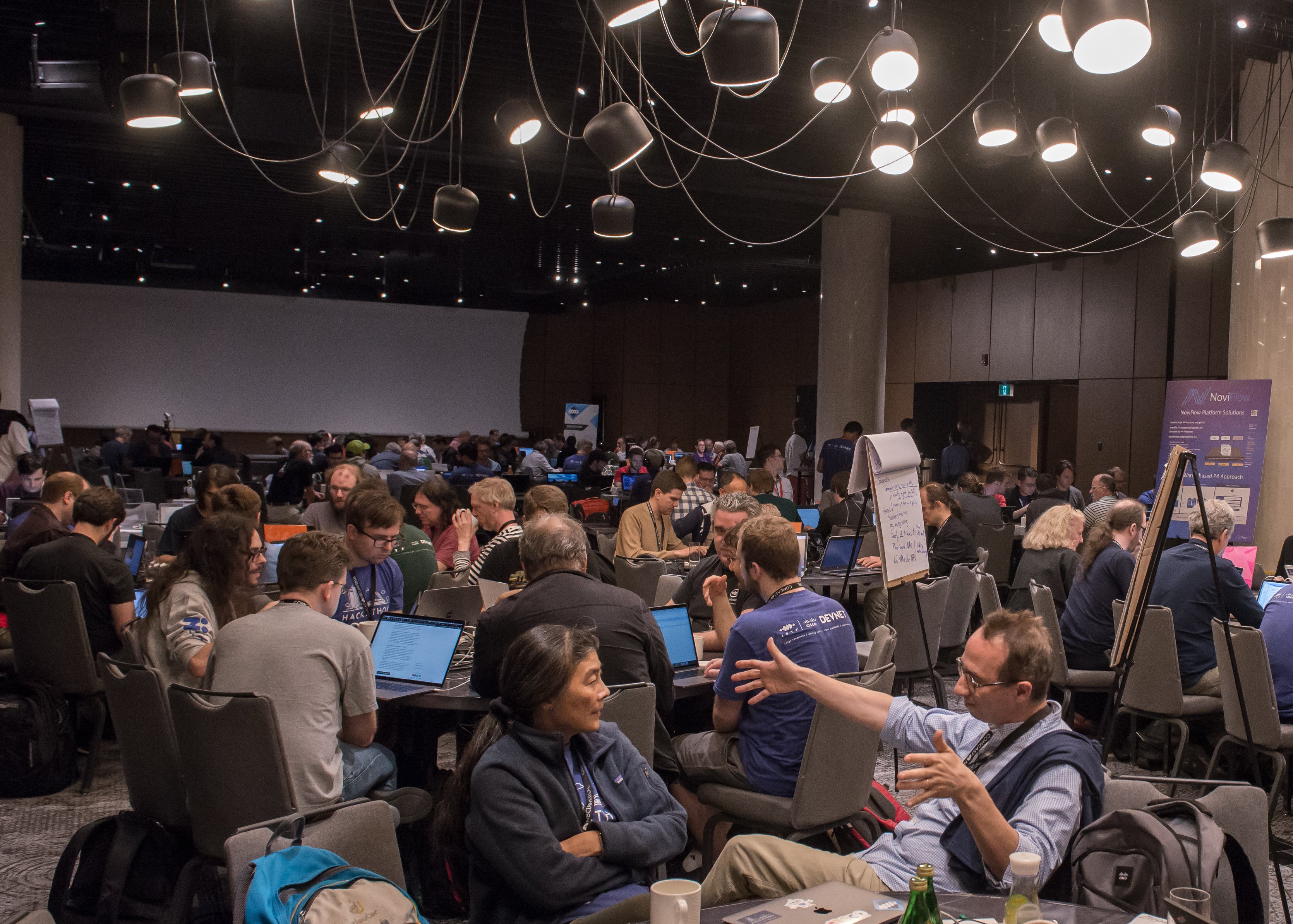
As the very first multi-year gold-level IETF Running Code sponsor, Ericsson is thrilled to support future IETF Hackathons, Hackdemos, and Code Sprints. As collaborative events, hackathons encourage developers and subject matter experts to work together to develop tools, ideas, sample code, and solutions that show practical implementations of IETF standards. These, and similar efforts in the IETF, will help bring the spirit of Open Source development and new standards work at Internet scale, which is one of the main goals of the recently-established Ericsson’s OSPO (Open Source Program Office).

Ericsson has been a strong supporter of the IETF for many years. Ericsson is an IETF Global Host and, as such, has sponsored IETF meetings across different regions and plans to continue doing so. Having scalable IETF protocols that are widely adopted by the industry is critical for Ericsson’s product portfolio. The IETF’s role in evolving Internet technologies is critically relevant to Ericsson and its customers as well.
With this multi-year gold-level Running Code sponsorship, Ericsson wants to also support the evolution of the IETF’s standards development process and its connection to developing running code.
If you want to learn about or contribute to emerging Internet standards, come participate in the next IETF Hackathon, 22-23 July 2023 sponsored by Ericsson, just ahead of the IETF 117 San Francisco meeting.