Filter by topic and date
Monikielinen IETF
- Jari Arkko IETF Chair
- Alvaro Retana Routing Area Director
15 Apr 2015
Last week, while speaking about open Internet in Moscow for an Internet Governance event, Jari met with folks from the Internet Society Russia Chapter. They had recently made a translation of the IETF Journal to Russian!
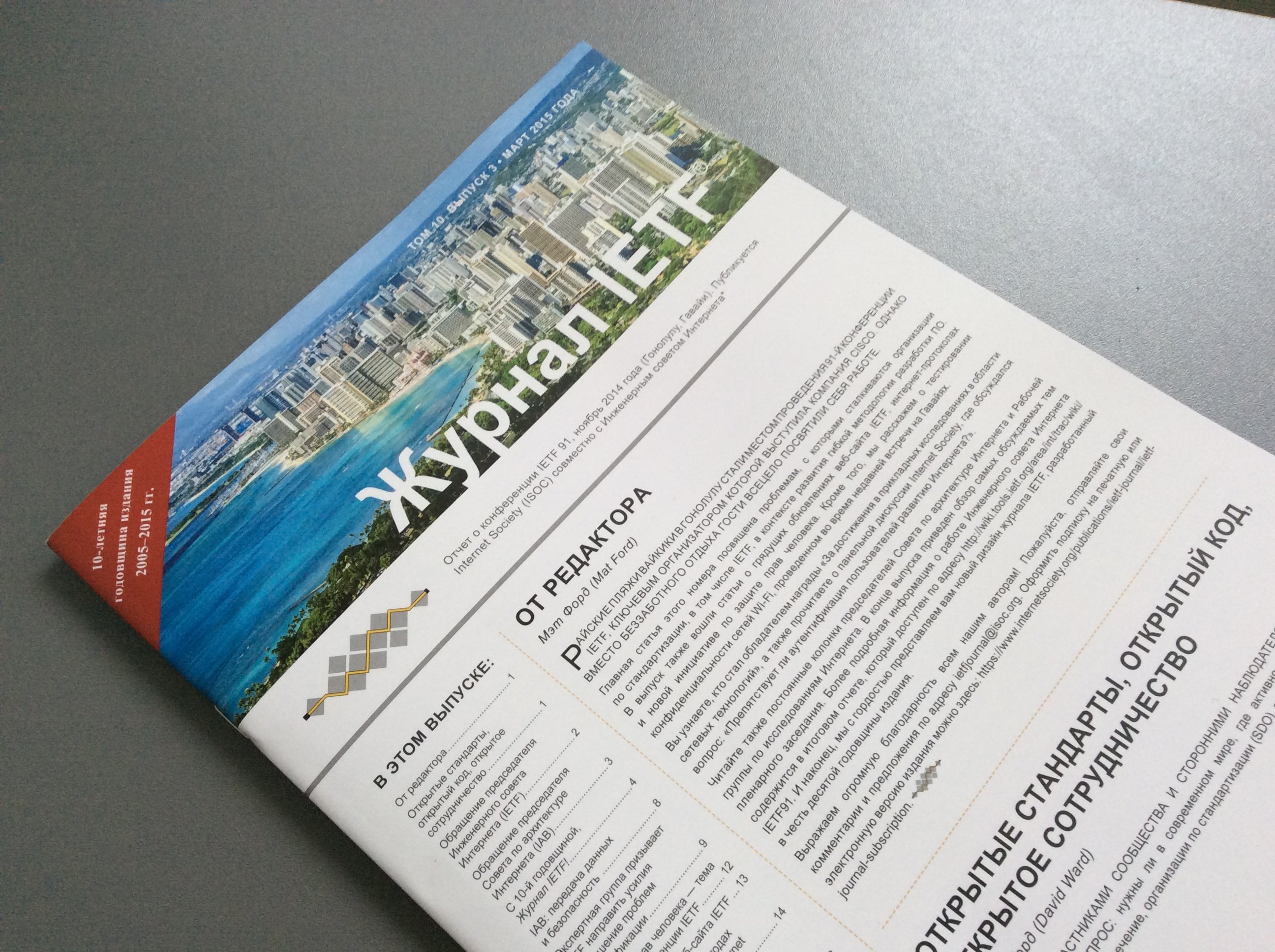
They had recently made a translation of the IETF Journal to Russian! We’d like to thank ISOC, the chapter, and Fedor Smirnov for this work.
This visit prompted us to write an article about some non-English materials and forums that exist around the IETF. First, the “Tao of the IETF”, the classic introductory document exists in seven languages: Deutsch (German), Español (Spanish), Français (French), 日本語 (Japanese), Português (Portuguese), 简体中文 (Simplified Chinese), and English.
Julião Braga led an effort to compile the Portuguese, Spanish and English versions of the Tao in “O Livro do IETF / El Libro del IETF” (“The Book of the IETF“). This book is being used to aid in the education of the Latin American community towards IETF 95 (Buenos Aires) and beyond.
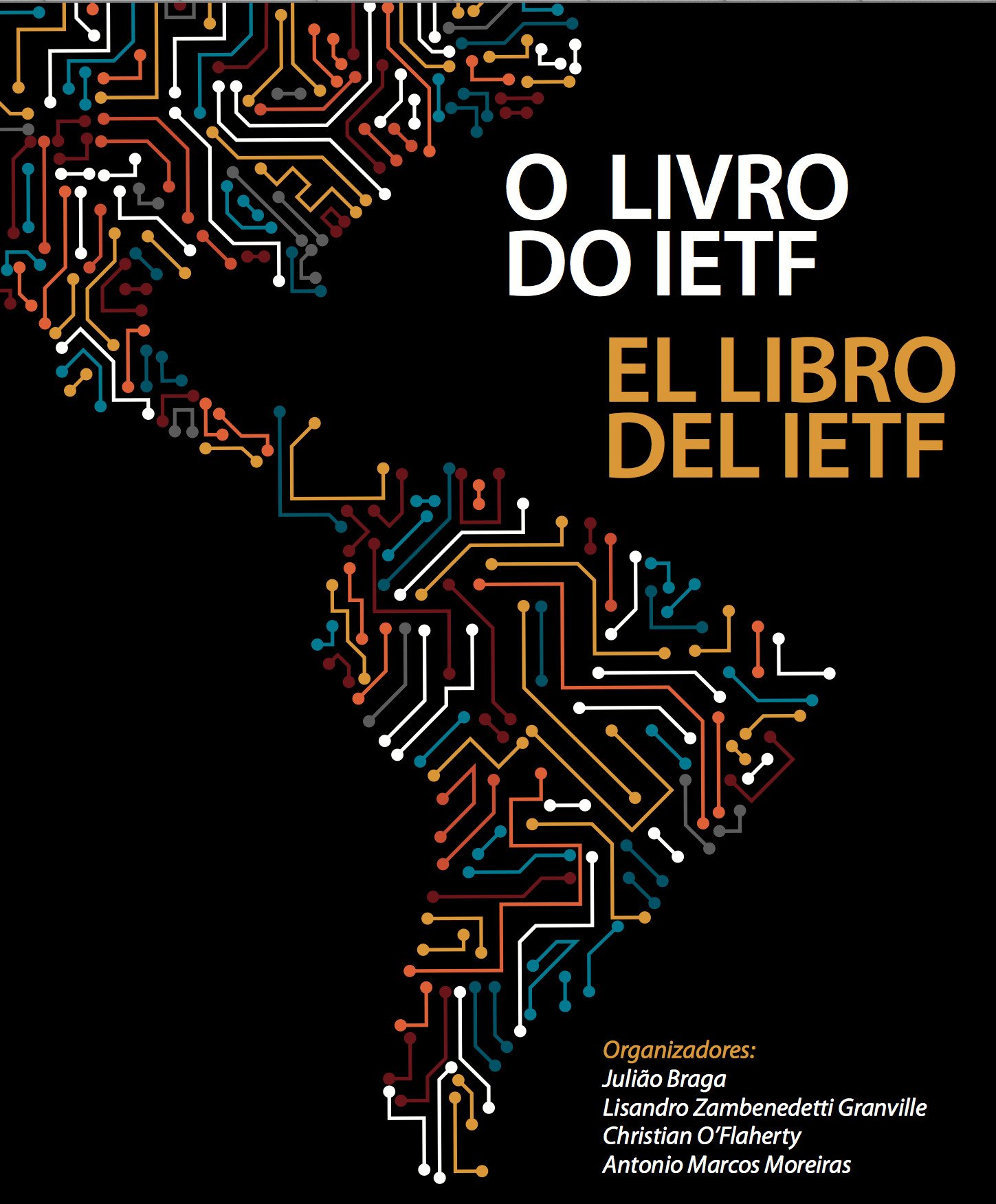
Some of the education sessions before IETF meetings have been run in other languages. The newcomer’s orientation session slides are available in English, Spanish, Mandarin, and French. The role of open standards has been highlighted in the videos from ISOC in English, Spanish, and French.
There are also non-English discussion lists related to IETF activities. As an example, there is a mailing list for Finnish IETFers. However, for a long time we have had so many non-Finnish speaking people that we just speak English, and we’re mostly too busy to ever meet anywhere else than in IETF meetings.
A far more active discussion happens in the LACNOG-hosted IETF-LAC mailing list, where participants contribute in their local language (mostly Spanish or Portuguese, but any language can be used). It is important to highlight that these mailing lists are intended to make discussions easier, mostly for new participants. The IETF structure, including WGs and other lists, are expected to be used to progress any work.
There are probably other lists out there. If you know of one, let us know so that we can add the information to a wiki.
English is clearly the lingua franca when it comes to technology, and it is the language in which work of the IETF is conducted. However, learning about new processes and expressing opinions is easier in anyone’s mother tongue so the use of multiple languages for local discussions and education shouldn’t be a surprise to anyone in our multi-cultural world. ISOC Chapters, regional or national operator groups, and academia conduct multilingual meetings on a daily basis in many different languages. The Internet continues to grow, and those of us already connected benefit from as many people as possible being able to use it and participate in its ongoing development.
And, if you would like to contribute a translation of the Tao in a language not yet available, please let us know.
We would like to thank Fedor, Julião, Lisandro, Christian, Antonio, ISOC,
their chapters, and many others for supporting these efforts. They are
important in communicating what the IETF does and is, and welcoming more
participants to our work.
Kiitos! Gracias!
(Véase también Plurilingüe IETF)